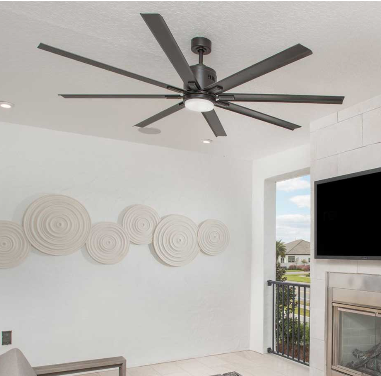

Lighting is the most-used feature of any home or building. You walk into a room, and the light hits before anything else does. The fixtures you choose set the mood every morning, every evening, every dinner party, every meeting. They define how a kitchen feels in February, how a foyer photographs in spring, how a primary bath reads at midnight. Get them right and the space lifts. Get them wrong, and you live with that, too.
Most people walk into a lighting decision the same way. A search bar. A big-box aisle. A Pinterest board with twelve fixtures that look identical. A contractor pointing at a tear sheet from a brand nobody recognizes. None of it leads anywhere clear. The fixtures all start to look the same, the prices stop making sense, and the project that was supposed to feel exciting starts to feel like guesswork.
This guide is for anyone choosing lighting in Columbus, Ohio, including Clintonville, Worthington, Bexley, Upper Arlington, Dublin, New Albany, Westerville, Hilliard, Gahanna, German Village, the Short North, and the rest of central Ohio. Read what helps. Skip what does not. We have been answering these questions in our showroom on Silver Drive for almost a century.
Why does lighting feel so confusing to choose?
Lighting feels confusing because it’s the only design category that combines technical engineering with visual artistry, and most stores only handle one side of that equation. A fixture is simultaneously a piece of jewelry for a room and a piece of electrical equipment that has to play correctly with your bulbs, dimmers, ceiling height, and finishes. Big-box aisles ignore the artistry. Online listings ignore the engineering. The result is a lot of decisions made with half the information.
The other reason is scale. A chandelier that looks magnetic on a screen often lands as too small over an actual dining table. A pendant cluster that reads as elegant in a magazine reads as crowded over a real island. Photographs flatten depth, hide proportion, and disguise finish quality. None of those problems exists when you stand under the fixture in a real showroom. That single moment changes most projects.
What is the difference between a lighting store and a big-box aisle?
A lighting store carries designer brands, employs specialists, and lets you see fixtures lit in person. A big-box aisle carries commodity SKUs, employs generalists, and lights everything under the same flat overhead so nothing looks like itself. The brand portfolio alone is the biggest gap. Visual Comfort, Hinkley, Hudson Valley, Kichler, Lutron, and the other manufacturers a real lighting store carries are not stocked at big-box, full stop.
The second gap is people. Our team works with lighting all day, every day. We know which dimmers fail with which LED platforms. We know that a 9-foot ceiling needs a chandelier roughly 24 to 27 inches in diameter for a 10-by-10 dining room, and that the same fixture would disappear in a 14-foot foyer. We know which finishes hold up in a humid bathroom and which ones dull within a year. None of that is in a price tag.
The third gap is the installation. A real lighting store sells you a complete system. Fixture, bulb, control, and the answers you need to make all three work together. Big-box sells you a box. The contractor figures out the rest, often after a return trip you paid for.

Which lighting brands are worth buying?
The brands worth buying are the ones with established design pedigree, real warranty support, stable LED platforms, finishes that hold up, and parts you can still order in five years. At Panic Lighting, we carry a curated portfolio of those manufacturers, and we have refused to carry the rest for almost a century. Reputation works in both directions.
A look at a few of the brands we believe in:
- Visual Comfort & Co: The premier name in designer lighting. Collaborations with AERIN, Kelly Wearstler, Thomas O’Brien, Ralph Lauren Home, and Kate Spade New York. Hand-applied living finishes, signature scale, the standard against which most other decorative lighting is measured.
- Hudson Valley Lighting Group: Hudson Valley, Mitzi, Troy, and Corbett. Designer-forward, editorially photographed, the brand’s interior designers reach for when they want a fixture that feels like art.
- Hinkley: Family-owned since 1922. The category leader in exterior, landscape, and ceiling fans. Finishes built for real Ohio weather and a warranty that means something.
- Kichler: Deep range across decorative, recessed, ceiling fans, and landscape. Reliable quality at price points that scale across an entire project.
- Lutron: The standard for dimmers and lighting controls. The difference between flicker and a flawless fade. The difference between humming switches and silence.
- Generation Lighting: Including Visual Comfort Studio, Feiss, and the broader portfolio that powers most of contemporary American residential lighting design.
That is a partial list. The full portfolio includes Hubbardton Forge, Modern Forms, Quoizel, Maxim, Minka, Progress, Savoy House, Z-Lite, Eurofase, ET2, Fanimation, Matthews Fan Company, Justice Design Group, House of Troy, and dozens of other respected names across decorative, recessed, exterior, controls, ceiling fans, and architectural lighting.
Which interior designers should I look for in lighting collections?
The fastest way to find lighting that already lives at a designer level is to look at fixtures created in collaboration with the interior designers shaping American residential design today. Most of these collaborations sit inside the Visual Comfort & Co. portfolio, which has effectively become the platform where the field’s most respected designers release lighting collections. Each collaborator brings a distinct point of view, and learning the names is one of the most useful shortcuts in the entire lighting category.
- AERIN: Aerin Lauder’s collections lean toward refined, feminine, and timeless. Brass and alabaster, soft silhouettes, fixtures that read as heirloom on day one. Strong fit for traditional and transitional homes, dining rooms, and primary baths.
- Kelly Wearstler: Sculptural, architectural, and confidently contemporary. Wearstler fixtures are statement pieces, often in plaster, ceramic, and unexpected materials. Strong fit for modern and modern-traditional homes where the lighting should feel like sculpture.
- Thomas O’Brien: Hotelier-modern with a strong American sensibility. Library lights, library sconces, banker’s pendants, the language of a well-edited room. Works across nearly every interior style.
- Ralph Lauren Home: Equestrian, English country, and old-world American. Heavy on aged brass, deep bronze, and details that feel built. Strong fit for traditional architecture, libraries, and entry foyers.
- Chapman & Myers: Studio collections rooted in classical design vocabulary. Lanterns, chandeliers, and exterior fixtures with proportions that hold up across centuries of design history.
- Suzanne Kasler: Soft modern with European influence. Fixtures with refined silhouettes that work beautifully in primary suites, dressing rooms, and entry halls.
- Champalimaud Design: Hospitality-grade design language translated to residential. Strong for entertainers’ homes and statement public rooms.
Hudson Valley Lighting Group runs a similar program across its four houses. Hudson Valley itself blends historical inspiration with modern luxury. Mitzi makes designer-grade lighting at attainable prices. Troy leans earthy and contemporary. Corbett produces sculptural statement pieces in luxurious materials. Knowing which house a fixture comes from tells you most of what you need to know about how it will read in a room.
If you walk into our showroom and ask which designers we recommend for a specific project, you will get a real answer based on your space, your existing finishes, and where the lighting needs to land in your overall design. That is the kind of guidance the brand portfolio actually unlocks.
How do you actually choose the right fixture?
You choose the right fixture by working backward from the room, not forward from the catalog. Start with how the space is used, what time of day matters most, the ceiling height, the scale of the furniture, and the existing finishes. The fixture that fits that brief is almost always different from the fixture you walked in considering.
Five questions that get every project to the right answer:
- How do you actually use this room? A kitchen for entertaining is not the same as a kitchen for school mornings. A bedroom for reading is not a bedroom for resetting after a hard day. The fixture should serve the use, not the catalog photo.
- What is the ceiling height? Eight-foot ceilings, nine-foot ceilings, and double-height foyers each require a different fixture style and scale. Hanging height also matters. There are real rules, and they’re not optional.
- What is the room scale? A 12-by-14 dining room and a 16-by-22 dining room cannot share the same chandelier. Diameter and height are calculated together with the room dimensions. We do that math with you in the showroom.
- What finishes does the room already have? Brushed nickel beside aged brass beside matte black is a choice. So is mixing them. Either is fine if it’s intentional. Most projects benefit from naming the metal story before choosing the fixture.
- What is the layered lighting plan? A single overhead fixture is rarely enough. The best rooms layer ambient, task, and decorative light, with controls that let you move between them depending on the time of day.

What size chandelier or pendant do I need?
Chandelier sizing is the question we hear most often, and it comes with more anxiety than it needs to. The short answer is that fixtures should feel proportional to the room, not modest. Most people who second-guess themselves end up choosing a fixture that is too small, then live with that decision for years.
The quick rules are simple. Over a dining table, the chandelier should be about half to two-thirds the width of the table. In an open room (foyer, living room, entry), add the room’s length and width in feet, then use that sum in inches as a good diameter to aim for. A 12-by-14 dining room measures around 26 inches. A 16-by-20 living room measures around 36 inches. Over a dining table, hang the bottom of the fixture roughly 30 to 36 inches above the table surface. In a foyer, give yourself at least seven feet of clearance from the floor.
If those numbers sound clinical, that is fair. They are starting points, not laws. The real test is what the fixture looks like in your specific room, with your ceiling height, your finishes, and your furniture. Bring photos and a few measurements to the showroom, and we will figure out the right answer together in about five minutes.
Two practical reminders we share constantly:
- When in doubt, go a little bigger: Almost every undersized fixture problem we see started with someone hedging on scale. A chandelier that anchors a room is a chandelier doing its job.
- Visual weight matters as much as size: An open-cage fixture and a solid drum of the same diameter feel completely different. Lighter and airy reads one way. Substantial and grounded reads another. We will help you pick what the room actually needs.
What is the best lighting for every room in your home?
The honest answer is that every room benefits from layered lighting (some overhead, some at eye level, some at lamp height), warm color temperatures in the 2700K to 3000K range, and dimmers on anything that runs in the evening. The fixture choices change from room to room. The principles don’t. Here is how the rooms shake out in real life.
Kitchen lighting
The kitchens that feel best at every hour of the day have three things working together. Overhead light that fills the room. Focused light at the work surfaces (pendants over the island, soft strips under the cabinets, recessed over the range). And one decorative fixture that gives the room some personality, usually a pendant cluster that you actually look at. Keep the color temperature warm. Anything cooler than 3000K starts to feel like a hospital, and food and finishes never look quite right under it.
Dining room lighting
A dining room is the easiest room to anchor with one beautiful chandelier and the easiest room to get wrong on size. The general rule is half to two-thirds the width of the table, hung 30 to 36 inches above the surface. But honestly, dining rooms are also the room where it pays most to come into the showroom and see a few options lit in person. The right fixture for your table will become obvious in about a minute.
Always run a dining chandelier on a dimmer. The fixture that lights homework at six is rarely the same fixture that lights a dinner party at eight. One fixture, one dimmer, two completely different rooms.
Living room lighting
Living rooms suffer the most from a single overhead fixture trying to do everything. The fix is layering. A ceiling fixture or chandelier for general light. Two or three lamps for warmth and reading. A pair of wall sconces flanking a fireplace or framing the sofa does an enormous amount of work for very little money. And a dimmer on the ceiling fixture so the room moves easily from Saturday morning bright to Sunday evening soft.
In open-plan homes, treat the living room, dining room, and kitchen as one visual story. Repeat one finish across all three (aged brass, blackened steel, polished nickel, whatever you love) and let the fixture shapes vary. That single decision is what makes an open plan look designed instead of accidental.
Bedroom and primary suite lighting
A bedroom should feel restful, not bright. Most bedrooms benefit from a dimmable ceiling fixture, two bedside sconces or lamps, and one accent like a reading sconce on a swing arm. Bedside swing-arm sconces are one of our favorite recommendations because they free up your nightstand and give each side of the bed its own light. Keep color temperatures warm here, especially. Cooler light at night works against your sleep, not for it.
Bathroom and primary bath lighting
Bathroom lighting is the room where the most common mistake is also the most fixable. A single overhead fixture above the vanity creates harsh shadows under the eyes and chin, which is the least flattering light you can install. The fix is sconces flanking the mirror at roughly eye level, or a vanity light bar above the mirror, ideally both with an overhead fill light on a separate dimmer.
Two technical notes worth flagging because they actually matter: bathrooms need damp-rated fixtures (wet-rated for inside the shower or above a tub), and you want bulbs in the 2700K to 3000K range with high color rendering so makeup, skin tones, and clothing read accurately. Both are easy to get right when you know to ask. We will catch these for you at the showroom.
Foyer and entry lighting
The entry is where the lighting argument gets made before anyone takes off their coat. A foyer fixture should feel substantial, not modest. Most entry fixtures we replace are noticeably too small for the space. In a two-story foyer, a vertical or tiered fixture fills the height beautifully. In a single-story entry, a generous flush mount or semi-flush usually does more for the room than a small chandelier ever will.
Home office lighting
A home office should feel productive without feeling like a conference room. Overhead light for the room, focused task light at the desk, and one indirect light from a corner lamp or sconce. Skip overhead fluorescent panels. They flatten everything and tire your eyes by mid-afternoon. For workspaces where you stare at a screen all day, consider tunable white technology that shifts cooler in the morning and warmer toward evening. It pays for itself in eye comfort.
Outdoor living and exterior lighting
Covered patios, screen porches, and pergolas blur the line between inside and outside. The fixture choices are a little different (everything needs to be rated for the conditions it will actually face), but the principles are the same. We cover the exterior in more depth later in this guide.
What is the difference between lumens, watts, and color temperature?
In short, lumens tell you how bright a bulb is. Watts tell you how much energy it uses. Color temperature tells you whether the light feels warm or cool. The most important of those for how a room feels is color temperature, and it’s the one most people pay the least attention to.
Color temperature is measured in Kelvin. Lower numbers feel warmer and golden. Higher numbers feel cooler and crisper. Most homes feel best around 2700K to 3000K, which is the soft, warm range that flatters food, finishes, and skin. Workspaces and garages can go a little cooler. Anything above 4000K starts to feel like a commercial bulb in a residential space, which almost nobody actually wants.
The watt thing trips people up because we all grew up shopping for 60-watt and 100-watt bulbs. With LEDs, watts barely matter. A nine-watt LED can be as bright as the old 60-watt incandescent. Look at lumens for brightness and Kelvin for feel. We label both clearly on every bulb in the showroom so there is no guesswork.
Why do dimmers and LED bulbs cause so many problems?
Almost every flickering, humming, or stuck-at-half-bright dimmer in the world comes from one cause: a dimmer that was made for older incandescent bulbs paired with an LED bulb that needs something different. The dimmer and the bulb were never speaking the same language.
The fix is straightforward when you know it. Match the dimmer to the LED, ideally both from the same trusted source. Lutron’s Caseta and Diva LED+ lines are widely compatible and quiet. Even better, buy the dimmer and the bulb together so the pairing has been thought through before it leaves the store. This is one of the most common reasons people end up frustrated with their lighting, and it takes about five minutes to solve when someone walks you through it.
What is the best exterior and landscape lighting for an Ohio home?
The best exterior lighting in Ohio is built for the weather, layered like interior lighting, and planned a little earlier in the project than most people expect. Hinkley and Kichler are our two go-to brands for Ohio exteriors because their finishes hold up through real winters and their warranties actually mean something when something goes wrong.
Outdoor lighting works in three layers, just like indoors. Architectural lighting at the entry (lanterns flanking the front door, post lights along the driveway, sconces by the garage) sets the tone. Landscape lighting (path lights, uplights washing trees, well lights at grade) adds depth and safety. Outdoor living lighting (covered patio chandeliers, pergola pendants, ceiling fans on the porch) extends the indoors out. Each layer is doing its own job, and a home with all three feels finished. A home with only one feels half-done.
A few Ohio-specific things worth knowing. Front-door lanterns should be substantial. Most exterior fixtures we replaced were just too small for the architecture. True outdoor finishes (especially marine-grade brass from Hinkley) actually get more beautiful over the years as they patina, which is the opposite of what bargain exterior fixtures do. And if you can put exterior lighting on a photocell or smart timer that turns it on at dusk and off late at night, you will use it five times more than you would with a wall switch. We can walk through any of this when you come in.
How does Ohio’s weather and winter affect lighting choices?
Ohio winters are long, gray, and demanding on lighting in ways most people don’t think about until they live through one. Inside, the right fixtures and color temperatures compensate for short days and overcast afternoons. A kitchen that feels warm at five in the afternoon in January is doing real work. Outside, exterior fixtures need to withstand ice, snow, and freeze-thaw cycles that can ruin lower-grade finishes in a single winter.
Two practical reminders we make for almost every Ohio project. First, lean a little warmer with color temperature than a designer in a southern climate might suggest. The 2700K range that feels sleepy in Phoenix feels like home in a Columbus February. Second, treat exterior lighting as a year-round design rather than a summer accessory. The driveway you barely use in July is the same driveway you navigate in the dark from October through April. Plan exterior lighting for the months when it actually matters.
What does a commercial and trade lighting service include?
Our commercial and trade business covers everything a contractor, electrician, builder, designer, or property manager needs to actually run a project. That means specification and quoting, lead-time tracking, special-order handling, replacement parts for older commercial fixtures, and the technical guidance most lighting suppliers in central Ohio just are not set up to offer. Our roots are in commercial lighting distribution, and the trade side of our business has been part of who we are since the very beginning.
In practice, that means we handle decorative and architectural commercial lighting, full Lutron control systems, recessed and linear architectural lighting, exterior and parking-lot fixtures, replacement lamps and ballasts for older commercial setups (including configurations the manufacturer may have stopped shipping years ago), and the kind of trade pricing and account terms that let real projects actually run. If you’re a designer, builder, or electrician working on a project of any scale, the fastest path is to call (614) 262-8527 or email customerservice@paniclightingco.com and ask for a trade specialist. Bring a fixture schedule, a project scope, or just a set of questions. We will work on the project the way a real lighting partner should.
Where should you invest your lighting budget, and where should you economize?
Lighting budgets stretch much further when you spend differently in different parts of the house. The fixtures you actually look at every day (the dining chandelier, the foyer pendant, the kitchen island lights, the bathroom sconces, the bedside lamps) deserve the budget and the brand. The fixtures that quietly disappear into the architecture (recessed cans, closet flush mounts, garage, and utility) almost always reward a more reasonable spec.
If we had to give a quick rule of thumb, we would say put your real budget into the rooms where you and your guests actually feel the light, choose mid-range for the rooms in between, and economize on the lights you barely register. Most people do this instinctively when they hear it framed that way. Where the budget for the whole project is fixed, a useful starting number is roughly one to one-and-a-half percent of the home’s total budget for the entire lighting package, controls included. That figure can flex up for design-forward projects and down for builder-grade specs, but it’s a reasonable place to start.
How early should you start a lighting project?
Earlier than most people think. Designer fixtures often have lead times of four to ten weeks, and special finishes or custom orders can run longer. Starting the lighting conversation six to twelve weeks before you need fixtures on site is usually the sweet spot. It protects the timeline and protects the fixture choices, because late-stage decisions tend to get compressed into whatever is in stock that week, which is a much smaller universe than what is available with normal lead time.
If you’re renovating, the right time to start is when the design plan gets approved. If you’re building, start when the framing plan is final. For a single-room refresh, three to six weeks is usually plenty. And if a project is already late and you need a path forward, call us anyway. We can see manufacturers’ in-stock inventory in real time and almost always find something that works for the timeline you’re actually on.
Where should you start your lighting project in Columbus?
Start with a conversation. You don’t need a finished design, a budget number, or a list of fixtures to begin. You need photos of the rooms you’re working on and a willingness to talk through how you want them to feel. We take it from there.
- Visit the showroom: 3251 Silver Drive in Columbus. Walk the floor, see fixtures lit in person, and bring photos of your space. Tuesday through Friday, 7:30 a.m. to 5:00 p.m.
- Call us: (614) 262-8527. A phone consultation is a great first step for anyone who is not local or wants to think out loud before visiting.
- Email: customerservice@paniclightingco.com. Send photos, sketches, mood boards, or fixtures you’re considering. We will respond with real input.
- For designers, builders, and electricians: Ask about our trade program. Trade pricing, project quoting, lead-time tracking, and direct lines to the people on our team who can move things forward.
Lighting in Columbus should be one of the parts of your project you remember loving. The right fixtures from the right people change how a home or business lives every day. We have been doing this since 1929, three generations, same family, same showroom. We would love to help you next.
Final Thought: The Light You Live With Should Lift the Space
Lighting is one of the few decisions in your home or business that you experience every day. Three generations of one Columbus family have spent almost a century helping clients get this right. The fixtures we carry, the people we hire, and the way we run the showroom are all built around one idea. The light you live with should lift the space, not just illuminate it.
Stop in. Call. Email. Browse. We would love to have you.
(614) 262-8527 | 3251 Silver Drive, Columbus, OH 43224 | paniclightingco.com
Family-owned since 1929. Residential, commercial, and architectural lighting for central Ohio.